

By Prof. Dr. Marco Antônio Soares de Souza (DecoStop Nr 63)
Dean of the University of Brooms, PhD in Chemistry and Instructor CMAS M***
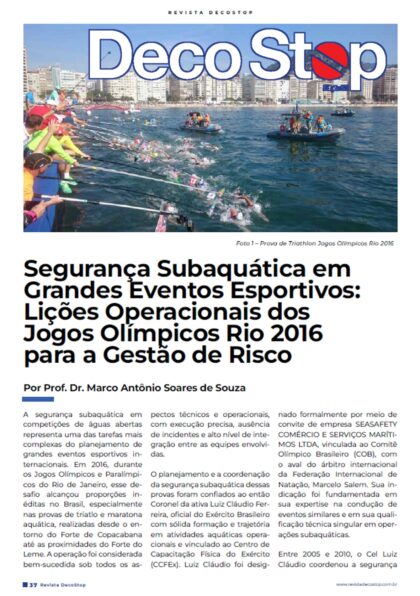
Underwater safety in open water competitions is one of the most complex tasks of planning major international sporting events. In 2016, during the Olympic and Paralympic Games in Rio de Janeiro, this challenge reached unprecedented proportions in Brazil, especially in the triathlon and water marathon races, held from the vicinity of the Copacabana Fort to the vicinity of the Forte do Leme. The operation was considered successful in all technical and operational aspects, with precise execution, absence of incidents and high level of integration among the teams involved.
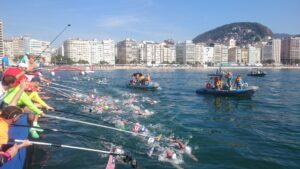
Photo 1 – Triathlon Test Olympic Games Rio 2016
The planning and coordination of underwater security of these tests were entrusted to the then active Colonel Luiz Cláudio Ferreira, Brazilian Army officer with solid training and trajectory in operational aquatic activities and linked to the Army Physical Training Center (CCFEx). Luiz Cláudio was formally appointed by company invitationSEASAFETY TRADE AND MARITIME SERVICES LTDA, linked to the Brazilian Olympic Committee (COB), with the approval of the international referee of the International Swimming Federation, Marcelo Salem. Its indication was based on its expertise in conducting similar events and its unique technical qualification in underwater operations.
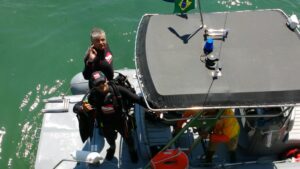
Photo 2 – Colonel Cláudio Ferreira (below) and Rector Marco Soares (above) at the Triathlon Olympics Rio 2016
Between 2005 and 2010, Col. Luiz Cláudio coordinated the underwater security of several editions of the traditional Travessia dos Fortes, a 3,800-metre test between the Copacabana Fort and the Forte do Leme, which involved thousands of athletes and demanded strict control of currents, visibility and support points. From 2005 to 2012, he was also responsible for the underwater security of the Flamengo–Urca Travesia, organized by the Army Physical Training Center (CCFEx), with a technical route of 2,500 meters. In addition, the officer has operational history in extreme environments of technical diving, such as the sinking of the SS Andrea Doria, located in the North Atlantic, surrounded by waters with temperature between 3 and 5 degrees Celsius, currents above 6 knots and visibility below 3 meters; in the Blue Hole of Dahab, Egypt, with depths beyond 100 meters and submerged passages with risk of disorientation; and in the vertical walls of Fernando de Noronha, with sharp descents, also beyond 100 meters of depth, variation of current and abrupt changes of visibility. These environments impose operational challenges equivalent to those of open sea testing.
The development of this study was directly observed by the author, then university rector and certified diving instructor, during the test events and Olympic competitions of 2015 and 2016. The objective of the field presence was to monitor, from a technical-academic perspective, the procedures used in underwater risk management, with a view to the development of applied research in highly complex operating environments. This observational immersion sought to document methodologies employed in real situations, contributing to a structured analysis of integration between logistics, operational doctrine and response protocols in environments with critical environmental variables.
Col. Luiz Cláudio's participation in Olympic and Paralympic competitions included coordination of security on the following dates and races:
- Triathlon test event: 1 and 2 August 2015
- Aquatic Marathon Test Event: August 22, 2015
- Triathlon races – Rio 2016 Olympic Games: 18 (male) and 20 August 2016 (female)
- Aquatic Marathon – Olympic Games Rio 2016: 15 (female) and 16 August 2016 (male)
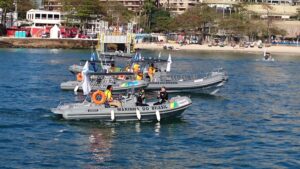
Photo 3 – Team Alpha, Beta and Charlie in preparation for swimming in open water
The central objective of underwater safety in the open water races of the Rio 2016 Games was to ensure immediate response to emergencies involving athletes at risk of drowning, syncope or other critical conditions during the competition. The main function of underwater teams was the identification and rapid removal of unconscious athletes or in pre-synchopal state before prolonged submersion occurred. The operational preparation of the team included the study of cases recorded in similar events around the world, such as the 2012 London Olympics and the Ironman World Championship in Hawaii, where hyponatremia, thermal exhaustion, stress-induced arrhythmias, panic attacks and acute hypoxia were observed. The operational protocols provided, as a last resort measure, the execution of scanning searches in the perimeter of the last confirmed visual location of the athlete, using marking buoys, surface signaling and visual triangulation. These actions aimed to reduce to the maximum the interval between loss of contact and effective rescue, critical stage for the preservation of life and mitigation of permanent neurological sequelae.
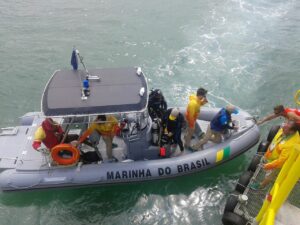
Photo 4 – Disembark the Gamma Team after the Triathlon test
The scope of the planning included the technical mapping of the route based on bathymetric survey, predominant current analysis, underwater visibility, tidal influence, water temperature and risk history of the area. In addition, we considered the specific geographical characteristics of Copacabana Beach, such as the slope of the bottom, the presence of reefs and ripples caused by hangovers, as well as seasonal variations of wind and current. Because of spot records of marked drift of marking buoys — observed in both previous events and the 2015 test event —, specific observation and signaling protocols were included to monitor the position of divers and floating elements. This experience evidenced the need for dynamic planning and quick operational responses, with real-time tactical adjustments. Safe anchorage points were also defined for support vessels and technical entry and exit zones of athletes were established, in accordance with operational safety criteria and the requirements of the International Federation.
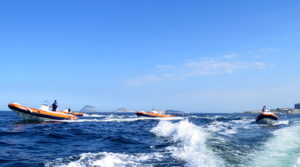
Photo 5 – Current inspection and bathymetric lifting
To ensure immediate response, about 24 divers per day were strategically positioned, organized into binomials distributed by critical segments of the course. Altogether, the contingent mobilized for underwater security — including surface operators and onboard tactical support — has surpassed 80 professionals, among military and civilians specialized in aquatic operations. All active divers held operational certifications and specific training in rescue in open waters, with qualification in First Aid, Rescue Diver, Emergency First Response (EFR) with emphasis on CPR and oxygen therapy, Deep Diver (Deep Diver), Underwater Navigation, Search and Recovery (Search and Recovery Diver) and Stream Diving (Drift Diver). In addition, all participated in training in operational simulations based on real tests, as well as specific instructions on sports protocols, tactical positioning and risk management integrated with the dynamics of competitions. The coordination between these professionals and the surface teams was conducted precisely, ensuring the total coverage of the test area and the prompt response to any occurrence.
The emergency evacuation was planned with rapid landing routes at four previously authorised points in the coastal range: Post 6, Copacabana Fort, Leme Beach and Marina da Glória. These points were integrated into a care plan articulated with at least six mobile ICU ambulances, positioned according to evacuation route, with support from the Military Fire Department of the State of Rio de Janeiro. The specialized medical care was reinforced by teams from SAMU and the National Force of SUS, legally designated for secondary help and screening on site. Rear hospital units were prepared at the Miguel Couto Municipal Hospital and the Army Central Hospital (HCE), both with trauma rooms pre-preserved on test days.
Based on these data, we developed a risk matrix segmented by stretches of the route, which guided the provision of underwater security resources.
The assembled structure consisted of operational divers, fast boats with onboard rescue personnel, health teams and support, as well as coastal surface patrolling. The mobilization of these means was based on three criteria: (1) distance between the most sensitive points of the route and the estimated response time; (2) presence of public and transition points of athletes; and (3) history of marine turbulence or low visibility.
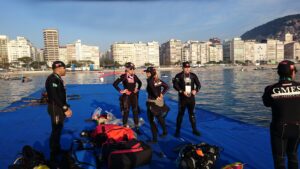
Photo 6 – Delta Team in preparation for swimming in open water
The coordination included technical briefings with all teams involved, execution of tactical tests with real-time rescue simulations and communication tests between surface and submerged operators. VHF radios and underwater communication devices ensured redundancy. Each vessel operated with oxygen therapy, rescue boards and GPS marker for controlled evacuation.
During the events, observation posts at high waterfront points ensured visual monitoring of the entire area. Trained observers worked to identify unusual patterns of displacement among athletes. No serious occurrences were recorded during the competitions, a direct result of the preparation and integration of the teams.
Demobilization followed a standardized protocol: equipment inspection, gradual release of areas and post-operation reporting. This cycle allowed the development and validation of a replicable underwater safety model for international events.
The operation was, from a technical and result point of view, irreproachable. The absence of complications, compliance with safety protocols and the efficient response to latent risks show the success of the planning performed. The experience accumulated in previous editions of open water swimming events, combined with the performance in extreme technical diving environments, contributed to the safe and effective execution of one of the most sensitive logistical fronts of the Rio 2016 Games. The performance of Colonel Luiz Cláudio Ferreira was consolidated as a national reference in underwater security applied to major events, integrating operational experience, technical knowledge and leadership capacity in environments of high variability and controlled risk.
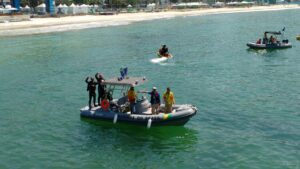
Photo 7 – Coronal Cláudio Ferreira and Rector Marco Soares in the demobilization post Olympic test
Author
Marco Antônio Soares de Souza
CMAS Instructor # M3/09/00001